
Transforming Spaces: The Impact of Modern Interior Design Choices
Key Takeaways
- Modern designs prioritize functionality and open spaces.
- Minimalism is a key trend influencing decor styles.
- Natural light is essential in contemporary home designs.
- Homeowners are focusing on personalized spaces to reflect their lifestyles.
- Southeast Asia is witnessing rapid growth in modern interior renovations.
Rethinking Living Spaces
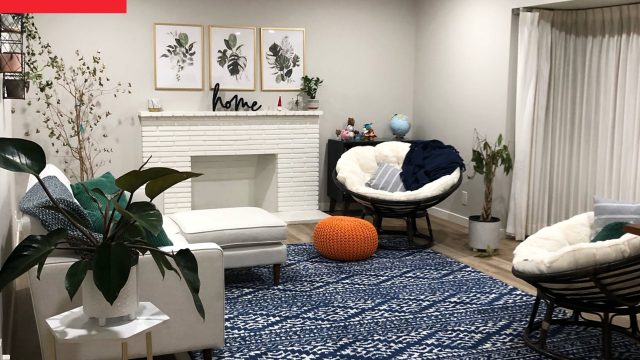
In today’s fast-paced world, the way we design our homes has become increasingly significant, particularly in vibrant regions like Southeast Asia. As families adapt to changing lifestyles, the need for functional and aesthetically pleasing living spaces has never been greater. The removal of traditional elements, such as brick fireplaces, is a testament to this evolution. In essence, the redesign reflects a shift towards modernity and practicality, catering to the needs of contemporary life.
According to recent surveys, homeowners in urban locations like Jakarta and Surabaya are leaning towards open-concept designs that promote fluidity and ease of movement within the home. This trend encapsulates a broader cultural shift in how families interact and utilize their living spaces, making room for social engagement and family bonding.
Designing for Daily Life
The process of modern interior design begins with understanding the daily routines of families. Designers are increasingly engaging with clients to tailor their projects to real-life scenarios. Questions such as “What does a typical day look like?” and “How can we optimize space for family activities?” guide the design process. This personalized approach ensures that the resulting space is not only visually appealing but also functional for everyday use.
Trends Shaping Modern Interiors
Several influential trends are shaping the future of interior designs:
- Minimalism: Simplified aesthetics reduce clutter and emphasize essential elements.
- Sustainable Materials: Eco-friendly furnishings and finishes are gaining popularity, reflecting a commitment to environmental responsibility.
- Natural Light: Large windows and open spaces enhance mood and energy, making homes feel more welcoming.
- Personalized Decor: Unique items that tell a story are preferred over generic decor, allowing homeowners to express their individuality.
The Importance of Community Insights
In Indonesia, communities are actively sharing insights on design preferences and trends, creating a vibrant dialogue about modern living. Homeowners are inspired by local architecture, integrating traditional elements into contemporary designs to celebrate their cultural heritage while embracing modernity. This blending of styles not only beautifies spaces but also strengthens community ties.
Moreover, the rise of digital platforms allows for the sharing of ideas and inspirations across borders. As Southeast Asia continues to develop economically, the interior design sector is poised for a significant transformation. This evolution reflects a growing awareness of global design trends while remaining rooted in local traditions.
Conclusion
The transformation of living spaces in Southeast Asia showcases a remarkable journey towards modernity and personalization. As homeowners prioritize functional design that reflects their lifestyles, the interior design industry must adapt to meet these evolving needs. By embracing contemporary trends, communities can create homes that are not only visually stunning but also serve as nurturing environments for families to thrive.
 The Ultimate Guide to Sourcing
The Impact of E-commerce on Ta
Wholesale Wonders: Maximizing
The Future of Tableware Export
The Ultimate Guide to Sourcing
The Impact of E-commerce on Ta
Wholesale Wonders: Maximizing
The Future of Tableware Export