
Top Home Design Trends to Watch for in 2026
Key Takeaways
- 2026 will showcase sustainable materials in home decor.
- Smart home technology integration continues to rise.
- Natural light and open spaces are gaining popularity.
- Multifunctional furniture is increasingly desired.
- Biophilic design is becoming a standard in modern homes.
Embracing Sustainability
With environmental awareness at an all-time high, 2026 is expected to see a significant shift towards sustainable materials in home design. Homeowners are increasingly seeking products made from recycled or renewable sources. This trend is not just beneficial for the planet; it adds unique character to interiors. For instance, bamboo and reclaimed wood are becoming popular choices for furniture and flooring. The Indonesian market is also seeing a rise in demand for sustainable kitchenware, aligning with ASEAN's eco-friendly initiatives.
Integrating Smart Technology
As smart home devices become more mainstream, their integration into home design is becoming vital. Homeowners now prefer appliances that can communicate with each other, enhancing convenience and energy efficiency. In Southeast Asia, including cities like Jakarta and Bali, this trend is particularly pronounced. Consumers are investing in smart kitchenware that not only simplifies cooking but also manages energy usage, aligning with the region's growing tech-savvy population.
Natural Light and Open Spaces
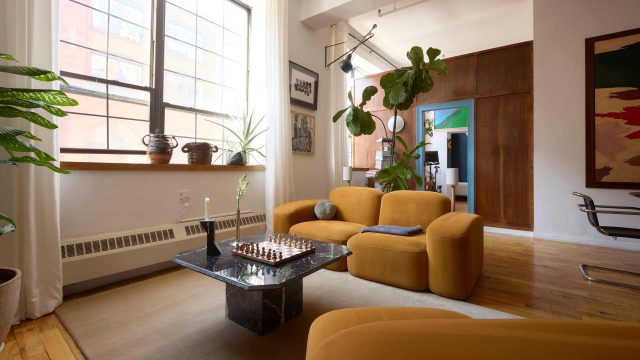
Another growing trend is the emphasis on natural light and open space. Designers are increasingly prioritizing layouts that allow more sunlight to enter the home. Large windows, skylights, and open floor plans are becoming staples in new constructions. This trend is especially relevant in urban areas like Surabaya, where maximizing space is crucial. The psychological benefits of natural light also play a significant role, promoting wellness and improved mood.
Benefits of Open Space
Open spaces not only enhance aesthetics but also offer various practical benefits:
- Improved air circulation and light flow.
- Enhanced social interaction among family members.
- Greater flexibility in arranging furniture.
Multifunctional Furniture
With living spaces becoming more compact, multifunctional furniture pieces are gaining prominence. These adaptable designs allow for more efficient use of space without sacrificing style. In the Indonesian market, products that serve multiple purposes, such as sofa beds and extendable dining tables, are in high demand. This trend reflects the evolving lifestyle preferences, particularly among younger generations who prioritize functionality.
Popular Multifunctional Designs
Some examples of multifunctional furniture that are trending include:
- Coffee tables with storage capabilities.
- Ottomans that double as seating and storage.
- Murphy beds that can be tucked away when not in use.
Biophilic Design Elements
The connection between nature and well-being has led to the rise of biophilic design. Incorporating natural elements into interiors, such as plants, water features, and natural textures, is becoming essential. This design philosophy aims to enhance mental health and productivity, making it particularly appealing in urban settings like Jakarta. Homeowners are increasingly investing in indoor gardens and plant decor, reflecting this growing trend.
Implementing Biophilic Design
Incorporating biophilic elements can be achieved in various ways:
- Use of natural materials like stone and wood.
- Incorporation of indoor plants and green walls.
- Designing spaces that offer views of nature.
Conclusion
As 2026 nears, these home design trends are set to make a significant impact on how we live and interact with our spaces. From sustainability to smart technology integration, the emphasis on improving our living environments reflects broader societal changes. Homeowners in Southeast Asia, particularly in Indonesia, are leading the charge in adopting these transformative trends. By staying informed about these developments, you can ensure that your home remains modern, functional, and aligned with contemporary values.
 Sustainable Tableware Solution
The Future of Kitchenware: Tre
Unlocking Opportunities in the
The Future of Trade: How Cradi
Sustainable Tableware Solution
The Future of Kitchenware: Tre
Unlocking Opportunities in the
The Future of Trade: How Cradi