
Maximizing Small Spaces: The Art of Functional Design
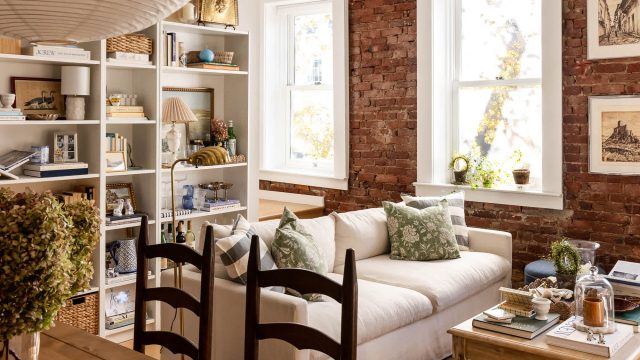
Key Takeaways
- Design can transform small areas into functional spaces.
- Smart layouts can increase usability and comfort.
- Built-ins and multi-functional pieces save space.
- Color schemes can visually expand a room.
- Personalization adds warmth to compact designs.
Understanding the Importance of Functional Design
As urban living becomes increasingly common, particularly in bustling metropolitan areas like Jakarta, Surabaya, and Bali, the demand for smart and effective design solutions has surged. The latest trends in functional design focus on how to maximize utility within small spaces without sacrificing style. With clever layouts and innovative use of furniture, residents can create comfortable environments, even in modest square footage.
The Role of Layout in Small Spaces
One of the most impactful elements of functional design is layout. A well-thought-out arrangement can create distinct areas for various activities, such as dining, relaxation, and work, while maintaining an open feeling. For example, a simple shift in furniture arrangement can transform a cramped room into a fluid, multi-functional space. This is particularly relevant for the growing trend of remote work, where a designated workspace is crucial.
Innovative Furniture Solutions
Incorporating furniture that serves multiple purposes can greatly enhance the functionality of a small area. For instance, a sofa bed can serve as both seating and a sleeping area, while nesting tables can provide additional surface area when needed and neatly stack away when not in use. Built-in shelves and cabinetry are also excellent for maximizing vertical space, offering storage solutions that keep clutter at bay.
Color and Light: Expanding Perception
The colors and lighting you choose can significantly impact how spacious a room feels. Lighter color palettes tend to make spaces appear larger and more open, while strategically placed mirrors can reflect light and create an illusion of depth. Furthermore, using layered lighting—such as a combination of ambient, task, and accent lighting—can enhance the functionality and mood of the space, making it more inviting.
Personal Touch in Small Spaces
Even in the smallest of homes or apartments, personal touches can elevate the overall design and make the space feel uniquely yours. Incorporating artwork, personal photographs, or meaningful décor items can add character without overwhelming the limited area. The key is to select pieces that resonate with you and fit within the overall design scheme.
Latest Trends in Space Optimization
As we move further into 2023, several trends are emerging in space optimization. The integration of technology, such as smart home devices that can be controlled remotely, is becoming increasingly popular. These devices not only enhance convenience but can also contribute to a more organized living environment.
Sustainability and Functional Design
In addition to style and comfort, sustainability has become a crucial consideration in the realm of interior design. Selecting eco-friendly materials and energy-efficient appliances can reduce your environmental footprint while also adding a modern touch to your space. This trend is especially significant in regions like Southeast Asia, where environmental concerns are at the forefront of consumer priorities.
Conclusion: The Future of Functional Design
Functional design is not just a trend; it is a necessity for anyone living in smaller spaces. Whether you are in a compact apartment in Jakarta or a cozy home in Bali, understanding how to optimize your environment can lead to a lifestyle that is not only stylish but also practical. By implementing thoughtful design choices, residents can create spaces that are both inviting and functional, perfectly suited to the demands of modern living.
 Revolutionizing Global Tablewa
The Future of Global Kitchenwa
Wholesale Tableware Trends: Wh
Revolutionizing Global Tablewa
The Future of Global Kitchenwa
Wholesale Tableware Trends: Wh
 Understanding the Challenges i