
Why Homeowners Are Rethinking Dark Wall Colors in 2023
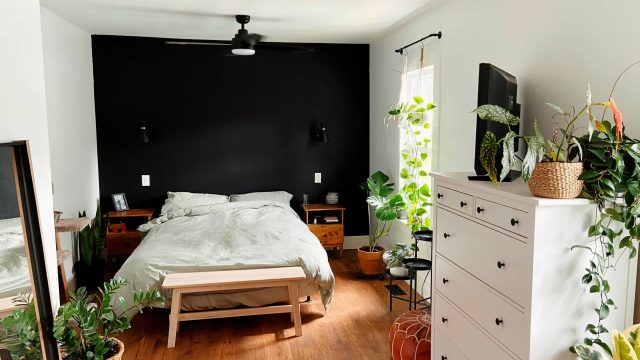
Key Takeaways
- Dark wall colors absorb light, making spaces feel smaller.
- Maintenance of darker walls can be challenging and time-consuming.
- Trends favor lighter, more versatile color schemes for homes.
- Homeowners report feelings of heaviness in dark-colored rooms.
- Bright colors can enhance mood and increase space perception.
The Shift in Home Design Preferences
In recent years, the popularity of dark wall colors has seen a significant decline. Homeowners who once embraced deep hues like black and navy are now reconsidering their choices. This shift is driven by a plethora of factors, from aesthetic preferences to practical considerations.
The Emotional Impact of Color
Color psychology plays a crucial role in our living environments. Dark colors, while elegant, can evoke feelings of heaviness and confinement. Many homeowners report that their once-stylish black or charcoal walls now contribute to a sense of gloom. As people spend more time at home, especially post-pandemic, the emotional impact of their surroundings has become more pronounced.
Maintenance Concerns
Another reason for the growing discontent with dark walls is maintenance. Dark colors tend to show dust, fingerprints, and stains more readily than lighter shades. Homeowners find themselves frequently cleaning and touching up dark paint, which detracts from the initial allure. This reality check is prompting many to consider the long-term upkeep required for darker hues.
Brightening Up: The Benefits of Lighter Palettes
The resurgence of lighter color palettes is not merely a trend; it reflects a broader desire for fresh, airy spaces. Lighter walls can enhance natural light, creating an illusion of a more open area. This is particularly relevant in densely populated urban centers like Jakarta and Bali, where space often feels limited. A bright, welcoming atmosphere can make a significant difference in how a room feels.
Versatility and Decor Flexibility
Lighter color schemes offer versatility in decoration. They serve as a neutral backdrop, allowing homeowners to experiment with various decor styles without the risk of clashing. This adaptability is especially attractive to those in dynamic markets like Indonesia, where interior design preferences can rapidly evolve.
Enhancing Space Perception
For homes in Southeast Asia, where maximizing space is essential, light colors can create the illusion of expanded areas. Bright whites, soft pastels, and light greys can breathe life into small rooms, making them appear larger and more inviting. This change is particularly beneficial in urban environments like Surabaya, where optimal use of space is paramount.
Conclusion: Embrace Change in Your Home
As we move further into 2023, homeowners are realizing the importance of their choices in wall colors. The regret some feel over dark hues is prompting a broader conversation about the psychological, aesthetic, and practical implications of color in home design. Whether you’re updating an existing space or designing a new one, consider the transformative power of lighter palettes to enhance your home’s ambiance and appeal.
 Revamping Your Kitchen: The Ul
The Rise of Sustainable Tablew
Exploring the Global Market: A
Maximizing Your B2B Trade in K
Revamping Your Kitchen: The Ul
The Rise of Sustainable Tablew
Exploring the Global Market: A
Maximizing Your B2B Trade in K