
Reviving History: A Modern Touch on a Timeless Brooklyn Apartment
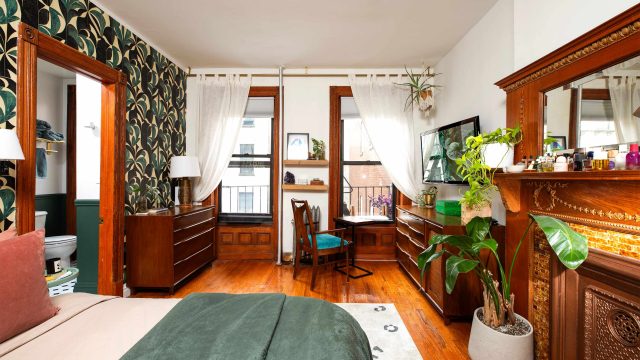
Key Takeaways
- This Brooklyn apartment was built in 1910, blending history with modern design.
- Original moldings and vintage lighting were preserved in the renovation.
- Art Deco touches were strategically incorporated into the apartment.
- The renovation emphasizes sustainability and livability.
- Bringing history back to life is a growing trend in urban renovations.
A Harmonious Blend of Old and New
In an age where urban living often overshadows historical significance, a recent renovation of a century-old Brooklyn apartment stands as a testament to the potential of harmonizing the old with the new. The apartment, originally built in 1910, has undergone a thoughtful transformation that respects its unique history while introducing modern comforts.
Preserving Historical Elements
One of the standout features of this renovation is the preservation of original moldings and vintage lighting fixtures that offer a glimpse into the past. These elements not only add character but also serve as conversation starters, connecting residents and guests to the apartment's rich heritage.
Incorporating Art Deco Aesthetics
Art Deco, a style synonymous with 1920s luxury, has found its way into the apartment's design scheme. Subtle Art Deco touches, from geometric patterns on textiles to carefully selected furniture pieces, enhance the aesthetic without overwhelming the original features. This deliberate incorporation of style creates a cohesive look that pays homage to the era without losing modern functionality.
Creating a Living Space for Today
While historical elements are vital, the renovation also focuses heavily on creating a livable space that meets contemporary needs. Open floor plans have replaced cramped layouts, allowing for better flow and natural light. This approach not only enhances the apartment's livability but also aligns with current trends favoring spacious, light-filled environments.
Sustainability in Design
Moreover, the renovation emphasizes sustainability, utilizing energy-efficient appliances and eco-friendly materials. This forward-thinking approach is not only responsible but also resonates with a growing demographic of environmentally conscious consumers, particularly in urban areas like Southeast Asia and the Indonesian market, where sustainability is increasingly prioritized.
Engagement with Local Craftsmanship
Another notable aspect of the renovation is the engagement with local artisans and craftsmen. This dedication to supporting local talent not only enhances authenticity but also fosters economic growth in the community. It is a reminder that while design can be global, its execution can have local significance.
The Impact of Historical Renovations
This Brooklyn apartment serves as an inspiring model for similar projects across urban landscapes. As cities continue to evolve, there is a growing appreciation for preserving historical architecture while adapting to modern lifestyles. Renovations like these highlight the potential for enriching urban living through respect for the past, ultimately fostering a deeper sense of community and culture.
Conclusion: A Blueprint for Future Renovations
As we look towards the future of urban living, the Brooklyn apartment renovation represents an ideal balance between history and modernity. It underscores the importance of preserving historical architecture and adapting it for contemporary needs. By embracing both the past and the present, we can create living spaces that are not only functional but also deeply connected to their heritage, encouraging a richer urban experience for all.
 How to Expand Your Kitchenware
Modern Trends in Kitchenware E
From Manufacturing to Markets:
The Rise of Eco-Friendly Table
How to Expand Your Kitchenware
Modern Trends in Kitchenware E
From Manufacturing to Markets:
The Rise of Eco-Friendly Table