
The Rise of Soft Architecture: Transforming Home Environments in 2023
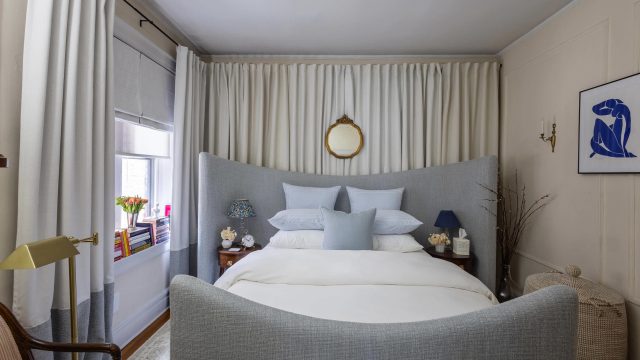
Key Takeaways
- Soft architecture focuses on comfort and inclusivity in design.
- Natural materials play a vital role in creating inviting spaces.
- Curves and rounded shapes are replacing hard edges in home design.
- This trend is prominent in urban areas like Jakarta and Bali.
- Soft architecture enhances emotional well-being by creating cozy environments.
Understanding the Soft Architecture Trend
The concept of soft architecture has gained significant traction in recent years, reflecting a broader cultural shift towards creating environments that prioritize comfort and emotional well-being. With the rise of remote work and a greater emphasis on home life, homeowners are increasingly looking for ways to make their living spaces feel warm and inviting.
Soft architecture contrasts with traditional, rigid designs; it incorporates rounded edges, softer colors, and natural materials. This approach not only beautifies spaces but also fosters a sense of tranquility. Designers are now prioritizing materials like wood, textiles, and stone, which enhance tactile experiences and connection with nature.
This trend is particularly resonant in various regions of Southeast Asia, where the climate and lifestyle advocate for open, airy spaces. Cities like Jakarta, Surabaya, and Bali are witnessing a transformation in how homes are designed, reflecting a blend of modern aesthetics with local cultural influences.
The Impact of Soft Architecture on Living Spaces
Soft architecture is not just a passing trend; it represents a fundamental shift in how we view our homes. The incorporation of soft, organic shapes can influence emotional health, providing spaces that encourage relaxation and well-being. For instance, homes designed with curves rather than sharp angles promote a flow of energy, reflecting a harmonious relationship between space and its inhabitants.
Benefits of Soft Architecture
- Enhances emotional well-being by creating soothing environments.
- Promotes sustainability through the use of eco-friendly materials.
- Encourages social interactions in communal spaces, fostering connections.
- Increases property value by making homes more appealing.
As more architects and interior designers embrace this style, the result is a growing market for furnishings and decor that complement soft design principles. Businesses in the tableware and kitchenware sectors, like Cradico, are adapting their product lines to meet the demand for softer, more inviting designs that enhance the overall living experience.
Transforming Your Home with Soft Architectural Elements
For homeowners looking to embrace the soft architecture trend, there are several practical approaches to consider. Here are some tips to get started:
Incorporate Natural Materials
Using wood, stone, and textiles in your home can create a warm and inviting atmosphere. These materials not only add aesthetic value but also provide a tactile experience that promotes comfort.
Create Soft Edges
Consider furniture and fixtures with rounded edges instead of sharp corners. This small change can significantly transform the feel of a room, making it more welcoming.
Add Cozy Textiles
Introduce soft textiles such as cushions, throws, and rugs to your living spaces. These elements can enhance comfort and warmth while also adding layers of texture and color.
Optimize Natural Light
Maximize the use of natural light in your home. Large windows, open spaces, and light colors can create an airy feeling, aligning with the principles of soft architecture.
Conclusion
As we move further into 2023, the trend of soft architecture continues to reshape how we design and interact with our living spaces. This movement toward comfort and emotional wellness isn’t just a fleeting fad; it represents a deeper understanding of what makes a home a sanctuary. With the influence of Southeast Asian aesthetics and a focus on sustainable, inviting designs, soft architecture is likely to remain a defining feature in home design for years to come.
 Elevating Global Dining: The R
Enhancing Your Business: The A
The Art of Tableware Manufactu
Navigating B2B Trends: The Fut
Elevating Global Dining: The R
Enhancing Your Business: The A
The Art of Tableware Manufactu
Navigating B2B Trends: The Fut