
Transforming Small Kitchens: A Smart Design Change That Opens Up Space
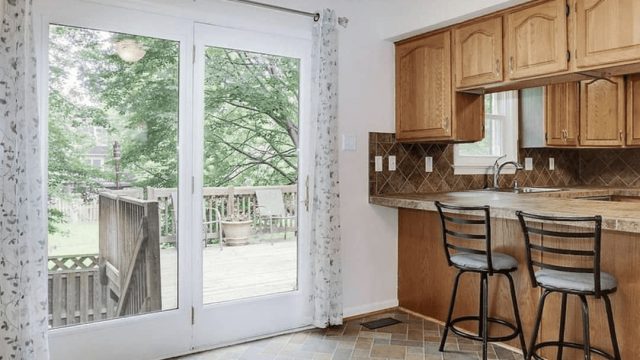
Key Takeaways
- Small kitchens can feel more spacious with smart design changes.
- Color choices impact the perception of space in kitchens.
- Functional layouts improve usability in tight areas.
- Utilizing vertical space can maximize storage solutions.
- Emphasizing natural light creates an airy atmosphere.
Understanding the Challenges of Small Kitchens
Living in urban areas, particularly in Southeast Asia, poses unique challenges for homeowners regarding limited kitchen space. Many residents in bustling cities like Jakarta and Surabaya find themselves grappling with cramped quarters. Various factors, such as color schemes, bulky cabinetry, and inadequate lighting, can exacerbate the feeling of confinement in these environments.
Functional Design Overhauls
The key to creating a more functional kitchen is to rethink its design without necessarily expanding its footprint. One innovative approach involves altering color palettes. Bright, light colors can make spaces feel more open and inviting compared to darker shades. As demonstrated in many successful renovations, opting for white or pastel hues often yields impressive results.
Maximizing Space: Smart Layout Strategies
To combat the limitations of small kitchens, homeowners are increasingly focusing on layout optimization. This includes:
- Open Shelving: Replacing bulky cabinets with open shelves can create a more expansive feel.
- Multi-functional Furniture: Items that serve multiple purposes, like a dining table that doubles as a prep area, help maximize utility.
- Vertical Storage Solutions: Utilizing wall space for storage keeps countertops clear and adds visual height.
The Role of Light in Kitchen Design
Natural light can dramatically alter the ambiance of any kitchen. By strategically placing mirrors and opening up window spaces, homeowners can enhance the flow of light throughout the room. This not only makes the kitchen appear larger but also creates a welcoming environment that encourages culinary creativity. Many modern kitchens in regions like Bali now prioritize large windows and open layouts to foster a sense of connection with the outside world.
Current Trends in Kitchen Renovation
As the demand for effective kitchen designs rises, trends in Southeast Asia reflect a shift towards minimalism. Homeowners are drawn to multifunctional spaces and seamless integration of kitchen and dining areas. The rise of online platforms focusing on kitchenware and design inspirations, such as those offered by Cradico, allows consumers to stay updated with the latest styles and innovations.
Examples of Successful Kitchen Transformations
Many homeowners have embraced these design changes in their small kitchens, resulting in spaces that feel more expansive and comfortable. For example, in a recent renovation project in Jakarta, a homeowner transformed a cramped kitchen into an airy cooking space by removing unnecessary cabinetry and painting the walls a light shade of green. This approach not only increased the room's perceived size but also enhanced its aesthetic appeal.
Conclusion: Embracing Change for a Better Kitchen Experience
As we witness the evolution of kitchen design in densely populated areas, it’s evident that even minor adjustments can create significant impacts. By focusing on visualization and utility, homeowners can transform their kitchens into delightful spaces that encourage both cooking and socializing. The shift towards smarter kitchen designs is not merely a trend; it is a necessary adaptation for those living in modern urban settings.
 Navigating Global Markets: You
Revolutionizing the Tableware
Innovative Kitchenware Solutio
The Global Trend of Minimalist
Navigating Global Markets: You
Revolutionizing the Tableware
Innovative Kitchenware Solutio
The Global Trend of Minimalist