
Transforming Tight Spaces: Stylish Solutions for Narrow Areas
Key Takeaways
- Designing narrow spaces requires strategic layout adjustments.
- Color choices can significantly influence perceived space.
- Multi-functional furniture is ideal for limited areas.
- Utilizing vertical space enhances storage options.
- Incorporate lighting to create an airy feel.
Understanding the Challenges of Narrow Spaces
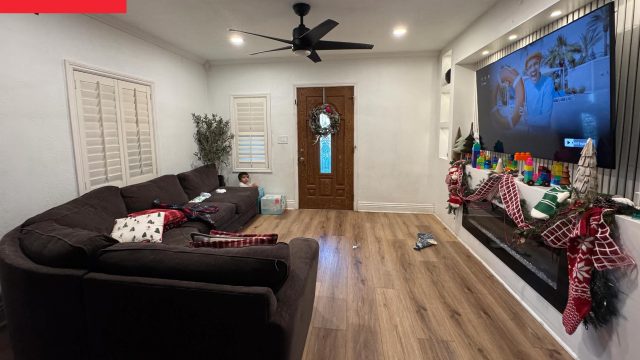
Narrow spaces, often found in older homes or compact apartments, can be daunting for homeowners. Living rooms and kitchens that lack width may feel cramped and uninviting. However, incorporating thoughtful design strategies can transform these areas into stylish, functional environments.
Common Issues in Narrow Layouts
Designing for narrow spaces poses unique challenges, including:
- Limited Movement: Tight layouts can restrict flow and make navigation difficult.
- Stagnant Atmosphere: Poor lighting can exacerbate feelings of confinement.
- Clutter Accumulation: Without proper storage solutions, small areas can quickly become disorganized.
Innovative Solutions for Maximizing Narrow Spaces
When dealing with narrow designs, creativity is key. Here are several effective strategies to consider:
1. Smart Layout Adjustments
Rearranging furniture can dramatically improve the usability of narrow spaces. For instance, placing a sofa against a long wall instead of a central position helps in creating a more open feel.
2. Color Schemes That Open Up
Opt for lighter color palettes to enhance brightness and create an illusion of more space. Whites, soft pastels, and light grays can make a room feel larger and more inviting.
3. Incorporating Multi-Purpose Furniture
Furniture that serves multiple functions, such as a sofa bed or an extendable dining table, is perfect for narrow areas. This approach maximizes usability without sacrificing style.
4. Vertical Storage Solutions
Utilizing vertical space for storage can free up floor area. Shelving units that reach the ceiling, hanging cabinets, and wall-mounted hooks are excellent choices that also add visual interest.
5. Optimizing Natural and Artificial Light
Brighten your narrow spaces with strategic lighting. Consider adding wall sconces, floor lamps, or track lighting to enhance the ambiance and make the area feel more spacious.
Real-Life Applications: Case Studies
To illustrate these principles in action, here are a few case studies showcasing successful narrow space transformations:
Case Study 1: The Urban Apartment
A recent project in Jakarta involved redesigning a narrow living room in an urban apartment. By selecting a light color scheme and incorporating vertical shelving, the designer created an airy and functional space.
Case Study 2: Coastal Cottage Remodel
A small coastal cottage renovation in Bali exemplified the use of multi-functional furniture. The living area featured a fold-out sofa and a collapsible dining table, allowing for easy adaptation to various activities.
Conclusion: Embrace the Narrowness
Narrow spaces present unique design challenges, but with the right strategies, they can be transformed into stylish and inviting parts of your home. By prioritizing smart layouts, versatile furniture, and efficient use of color and light, you can create environments that feel open and welcoming.
 Revolutionizing Global Trade:
Top 5 Global Suppliers of Tabl
Canada's Recent Tariffs: Impli
Revolutionizing Global Trade:
Top 5 Global Suppliers of Tabl
Canada's Recent Tariffs: Impli
 Crafting Elegant Bolster Pillo