
China's Strategic Move: Navigating Global Tensions Amid Sanctions
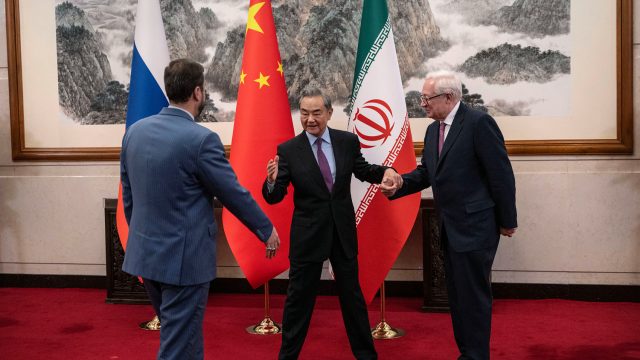
Understanding China's Position
As tensions rise globally, particularly between the U.S. and Iran, China's approach has taken on new dimensions. The recent sanctions imposed by the U.S. on Iran have significant implications not only for Iran's economy but also for global trade dynamics. China, as a key player in this landscape, continues to navigate these waters adeptly.
The Importance of Trade Relationships
China's trade relationships, especially within Southeast Asia and the broader ASEAN region, are more crucial than ever. These ties enable China to bolster its economic position while providing opportunities for regional partners. For instance, countries like Indonesia—home to bustling cities like Jakarta and Surabaya—are vital to China’s strategy.
Key Takeaways
- China is adapting its trade strategies in response to U.S. sanctions on Iran.
- The ASEAN region plays a critical role in supporting China’s economic resilience.
- Indonesia’s emerging markets are becoming increasingly important for Chinese investments.
- China’s leverage in trade can counterbalance U.S. influences in the region.
- Strategic partnerships in Southeast Asia can enhance trade flow amidst sanctions.
China’s Trade Leverage
China's extensive trade network allows it to mitigate the effects of sanctions effectively. By strengthening ties with countries in Southeast Asia, China can redirect trade and economic activity away from traditional western partners. This is particularly significant for nations like Indonesia, where recent economic policies are aimed at enhancing bilateral trade.
The Role of Technology and Innovation
Moreover, technology continues to play a pivotal role in boosting China’s trade capabilities. Investments in digital infrastructure and e-commerce platforms are providing new avenues for trade with Southeast Asian countries. For example, the surge in online trade platforms has allowed Chinese manufacturers to directly access markets in Indonesia and other ASEAN nations, fostering a robust trade environment.
Challenges Ahead
Despite its resilient strategies, China faces numerous challenges. The ongoing tensions with the United States can lead to unpredictable economic repercussions. Furthermore, the need for a cohesive strategy that includes stakeholders in ASEAN countries is paramount for ensuring sustained growth.
Future Outlook
Looking ahead, China's approach will likely involve a mix of diplomacy and strategic economic partnerships. With the global landscape continuously evolving, maintaining strong ties with Southeast Asian nations will be essential for China to secure its position in the world economy.
Conclusion
In conclusion, as China navigates the complexities of global sanctions, its strategic focus on Southeast Asia and innovative trade practices will be crucial. The ability to adapt and leverage existing relationships will determine how effectively China can sustain its economic momentum in the face of challenges posed by ongoing geopolitical shifts.
 How to Find Reliable Kitchenwa
The Future of Kitchenware Expo
Innovative Kitchenware Trends
Innovations and Changes Await
How to Find Reliable Kitchenwa
The Future of Kitchenware Expo
Innovative Kitchenware Trends
Innovations and Changes Await