
Tech Firms Transitioning to Open AI Models: Key Insights
Key Takeaways
- Open AI models can reduce AI operational costs by nearly 50%.
- Companies are shifting simpler workloads to manage budgets effectively.
- Automated maintenance enhances software reliability and performance.
- The demand for open-source solutions is surging in Southeast Asia.
- Transitioning to open AI models fosters innovation and competitiveness.
The Current Landscape of AI Costs
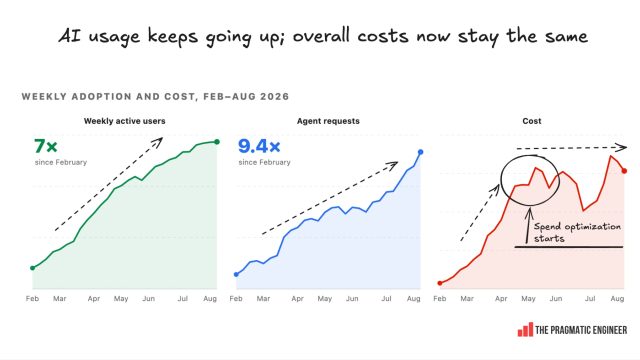
As businesses across various sectors confront escalating AI expenses, the search for cost-effective solutions has never been more urgent. Companies are increasingly turning to open AI models as a viable strategy for managing these costs. For instance, recent reports indicate that shifting simple workloads to these models can lead to savings of up to 50% on AI-related expenses. This trend is particularly pronounced in the Southeast Asian markets, including Indonesia, where tech firms are eager to leverage every possible advantage in an increasingly competitive environment.
Understanding Open AI Models
Open AI models are frameworks that allow developers and companies to access AI technologies without restrictive licenses or high fees. By utilizing these models, organizations can harness the power of AI for various applications, from predictive analytics to customer service automation. The flexibility they offer promotes innovation and allows for quicker deployment of AI solutions, which is critical in fast-paced markets like Jakarta, Surabaya, and Bali.
Why This Shift Matters Now
The urgency to adopt open AI models stems not only from cost-saving potential but also from the demand for agility and innovation in technology. As companies face pressure to deliver faster and more effective solutions, open AI models present a way to streamline operations without sacrificing quality. Furthermore, this transition aligns with global movements towards more sustainable and inclusive technological practices, making it an appealing option for firms looking to enhance their brand reputation.
Competitive Advantages in the Indonesian Market
In Indonesia, where digital transformation is accelerating, the advantages of open AI models are particularly pronounced. Companies can undertake projects that were previously out of reach due to budget constraints, allowing them to innovate and compete on a larger scale. The adoption of these models also enhances collaboration among tech companies, which can share insights and developments that enrich the entire industry.
Automating Software Maintenance
Alongside the financial benefits, automating software maintenance is becoming a critical focus for tech firms. By leveraging open AI models, companies can streamline the maintenance process, ensuring that software remains reliable and up-to-date. This enhancement in operational efficiency not only reduces downtime but also fosters trust among users and customers.
The Future of AI in Southeast Asia
As the technology sector in Southeast Asia continues to expand, the transition to open AI models is likely to play a pivotal role in shaping the future of the industry. Companies that embrace these models will not only achieve significant cost savings but will also position themselves as leaders in innovation. The rise of platforms such as lg88 casino and slotomania olympus demo demonstrates the thriving tech ecosystem in the region, underscoring the importance of staying ahead of the curve.
Conclusion: Embracing Open AI Models
The shift towards open AI models is more than just a trend; it is a necessary evolution for tech companies aiming to thrive in an increasingly competitive landscape. By harnessing the cost-saving potential and operational flexibility of these models, firms can position themselves for future success. As observed in various Southeast Asian markets, including the vibrant Indonesian tech scene, the call to innovate is louder than ever. For companies willing to adapt and evolve, the benefits of open AI models are boundless.
 B2B Trade Secrets: How to Succ
Celebrating 16 Years of Authen
B2B Trade Secrets: How to Succ
Celebrating 16 Years of Authen
 Understanding Recent Climate C
 Understanding the Roots of Mod